WUHAN, China – A research team at Huazhong University of Science and Technology (HUST) has developed a revolutionary nuclear medicine technology by using DNA nanotechnology, achieving unprecedented precision in cancer diagnosis and treatment while dramatically reducing drug toxicity. Led by Dr. JIANG Dawei, deputy director of Nuclear Medicine at Union Hospital, Tongji Medical College of HUST, the group’s innovations have won China’s prestigious New Era Youth Pioneer Award, bestowed on April 30, 2025, by the Central Committee of Communist Youth League.
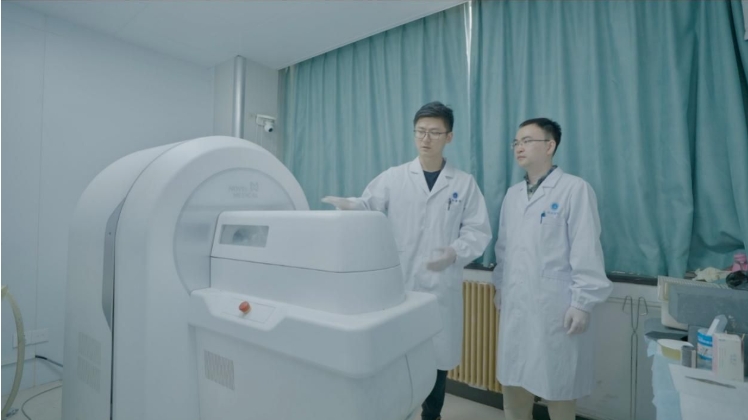
The breakthrough involves an engineered DNA framework that works as a molecular "aircraft carrier" to deliver targeted radiation. Conventional small-molecule drugs typically disperse extensively in kidneys, and requires high doses that might damage organs. Dr. JIANG’s team demonstrated that their DNA-based vehicles achieved a 20% kidney uptake efficiency, which was four times that of their conventional counterparts, lowering the treatment dosage for renal failure by 400-fold. "This framework exerted concentrated therapeutic impact on targeted sites, like deployment of special task forces instead of blanket bombing," explained Dr. WANG Hao, a major team member.
Oncologically, the technology is transformative. By integrating antibody fragments with radioactive isotopes, the team developed diagnostic agents capable of detecting a liver cancer lesion as small as 5 millimeters – which is like a needle in hay stack! Traditional CT scans tend to miss tumors less than 2 centimeters. "Early detection is our best weapon in treating 400,000 cases of annual liver cancer," said Dr. JIANG, referencing the country’s 50% global share of such diagnoses. Current clinical trials showed their strategy had a 90% specificity, with results published across 100+ peer-reviewed papers.
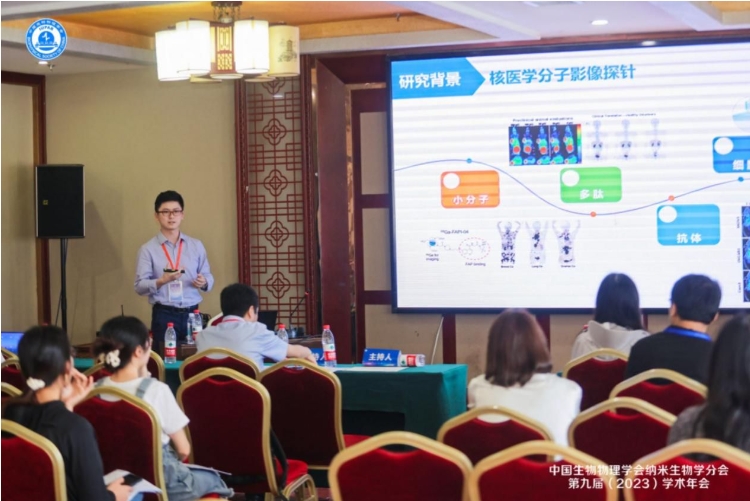
In 2015, Dr. JIANG began to combine DNA nanotechnology with nuclear imaging when he worked on a postdoctoral program in USA. In 2020, he returned to China and at that time, 90% of nuclear medicine therapeutic and diagnostic agents were foreign-proprietary. He established what colleagues call a "Chinese navigation system for major diseases." Seven domestic patents now protect their innovations, with three tumor-targeting agents in clinical testing.
At Union Hospital’s PET-CT center, the novel technology has translated into live-saving feats. A recent scan revealed that Ms. LI had three sub-centimeter liver lesions within 30 minutes of injection and these abnormalities are invisible under conventional imaging. "With standard methods, by the time the lesions are detected, treatment options are limited," noted Prof. LAN Xiaoli, department chair overseeing multicenter trials.
China’s 2021 Medical Isotope Development Plan is a great impetus behind their endeavor. The team’s "theranostic" approach merges diagnosis and treatment into a single framework, and is expected to shorten cancer care cycles by 30% and reduce side effects by 70%. Their work challenges Western nuclear medicine dominance while addressing urgent domestic needs, given fewer than 10% of China’s nuclear medicine drugs had domestic patents when Dr. JIANG embarked on his mission.

"Science must serve public health," Dr. JIANG emphasized, outlining his plans to delve into nucleic acid therapies and organ repair. As international collaborations intensify through HUST’s international partnerships, these DNA-driven advances may soon benefit patients across the globe.




 Chinese