WUHAN, May 15 –School of Basic Medicine, Tongji Medical College of HUST invited Prof. Thomas Braun to give a lecture to undergraduate students in a workshop of "Training and Practice of Medical Scientific Thinking." The Director of Max Planck Institute turned abstruse research concepts into easy-to-understand knowledge before nearly 100 students and faculty members. The attendees described the lecture as a very impressive learning experience.
Invited by Prof. HU Jiong of the Department of Histology and Embryology, Prof. Braun’s presentation was about "Scientific Exploration of Metabolic Regulation and Myocardial Regeneration." By using his laboratory's cutting-edge findings, he illustrated how his team translated basic research results into clinical applications. The two-hour lecture provoked a heated discussion between fully-engaged attendees and the distinguished scientist during its interactive session.
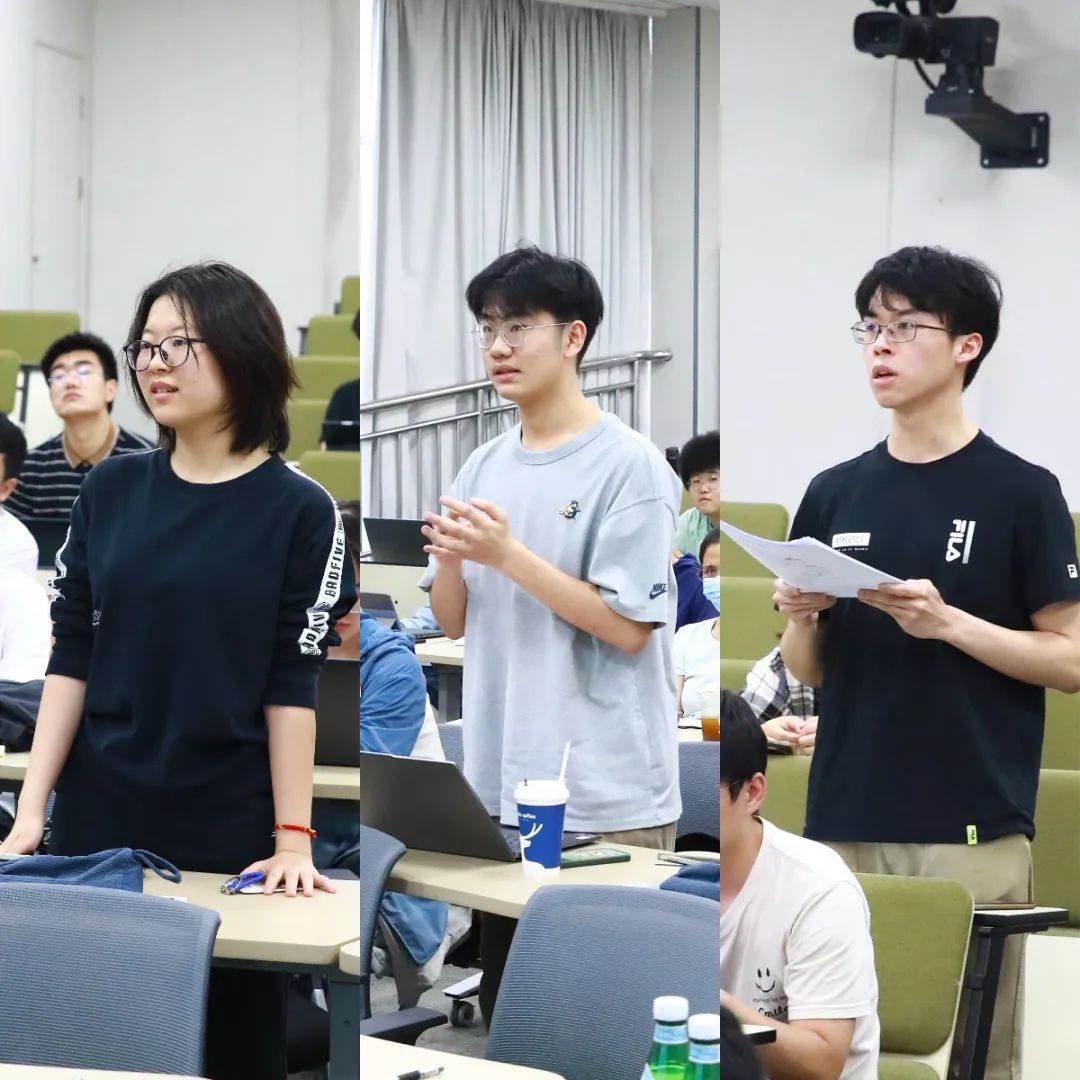
The impact on the undergraduate students was immediate. Ms. KANG Mengyao commented on some insights she gained: "From the lecture, I know how the regeneration capacity of cardiomyocytes is influenced by energy metabolism." Mr. HOU Guangkai added, "Beyond learning about metabolic reprogramming and regeneration mechanisms, I, from bottom of my heart, respect those scientists for their rigor and creativity."
For Mr. LUO Tai, the session demystified cardiac regeneration research: "Professor Braun's explanation of OSKM transient expression and CPT1 knockdown's roles was thought-provoking, especially when he explained how USP5-mediated protein clearance and Triadin gene splicing regulate heart function."
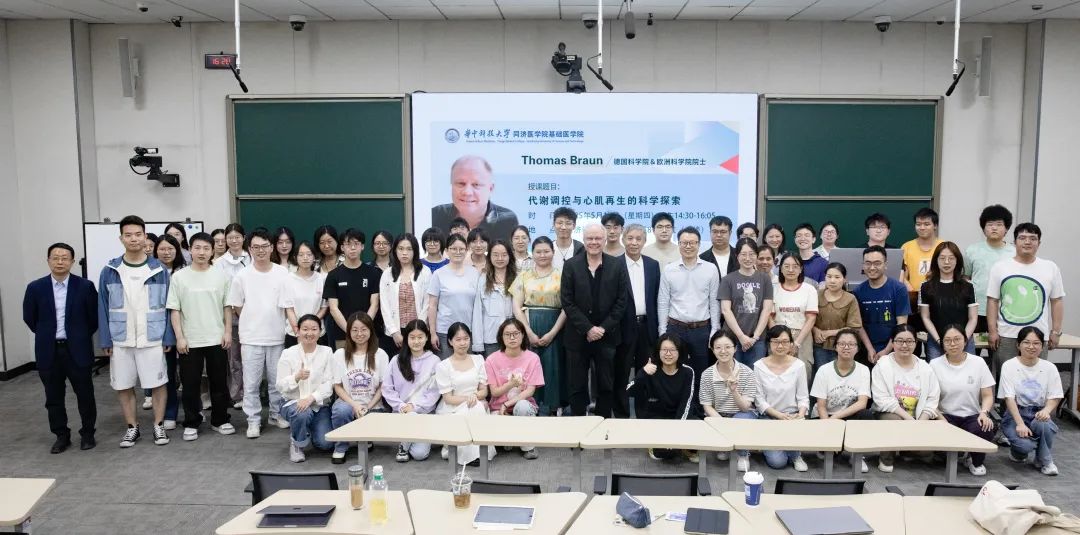
Classes of this kind are typical of the School's "Medical Research Thinking" curriculum. Prof. HU Jiong emphasized the institution's three-year strategic initiative to engage global academic leaders in the undergraduate education through its National Top Student Training Base. "By bringing scholars like Prof. Braun into our classrooms," Hu stated, "we are cultivating the international perspective and scientific mindset essential for training world-class medical researchers." The School plans to expand such high-impact learning programs, with an attempt to exploit such master-apprentice instruction mode to nurture future leading physician-scientists.




 Chinese