Tongji Medical College of Huazhong University of Science and Technology (HUST) convened a high-level consultation meeting to work out its development strategy for the 15th Five-Year Plan period (2026–2030). The event brought together 15 academicians from the Chinese Academy of Sciences and the Chinese Academy of Engineering, forming a distinguished think tank to provide strategic guidance for the medical college’s future growth.
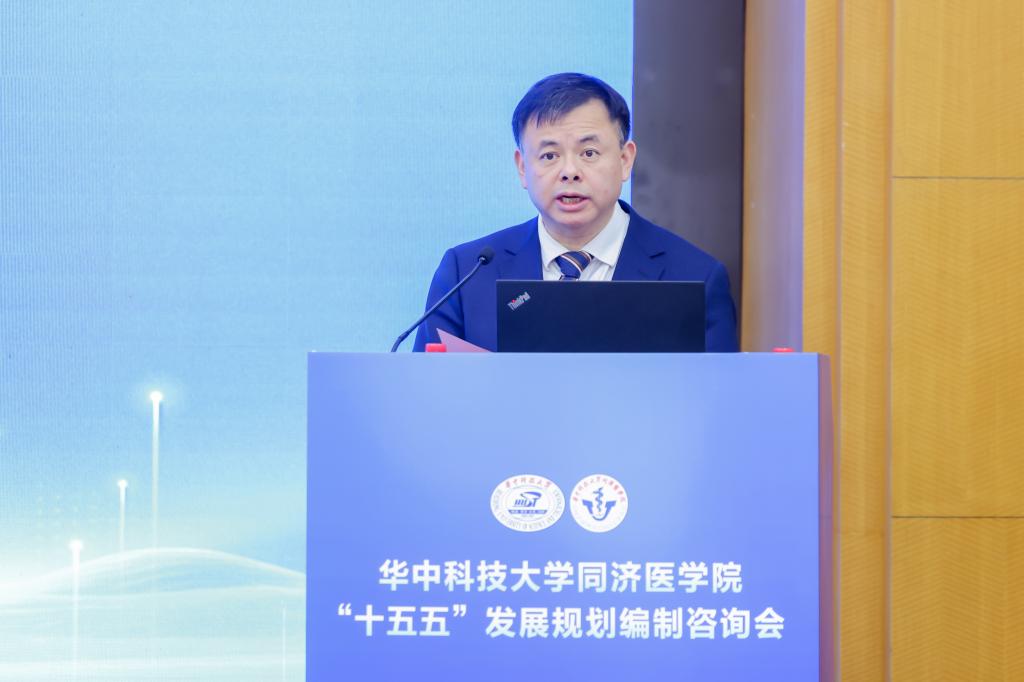
Prof. ZHANG Yonghui, Vice President of HUST and Chair of Tongji Medical College, presided over the meeting and extended a call for expert insights. “This consultation brings together leading figures in the national healthcare field to chart the course for the future development of HUST’s medical programs,” Prof. Zhang stated, emphasizing the importance of refining the college’s 15th Five-Year Plan to accelerate high-quality development and contribute to national strategies in education, science and technology, and the Healthy China initiative.
Prof. WU Tangchun, Academician of the Chinese Academy of Engineering and Dean of Tongji Medical College, gave a detailed presentation on the draft plan. Citing achievements made during the 14th Five-Year Plan period as the basis for future growth, Prof. WU outlined development goals, strategic directions, and key tasks, which are aligned with the nation’s priorities and public health needs. He stressed that the medical college must speed up its growth to become a major engine that drives HUST’s overall development.
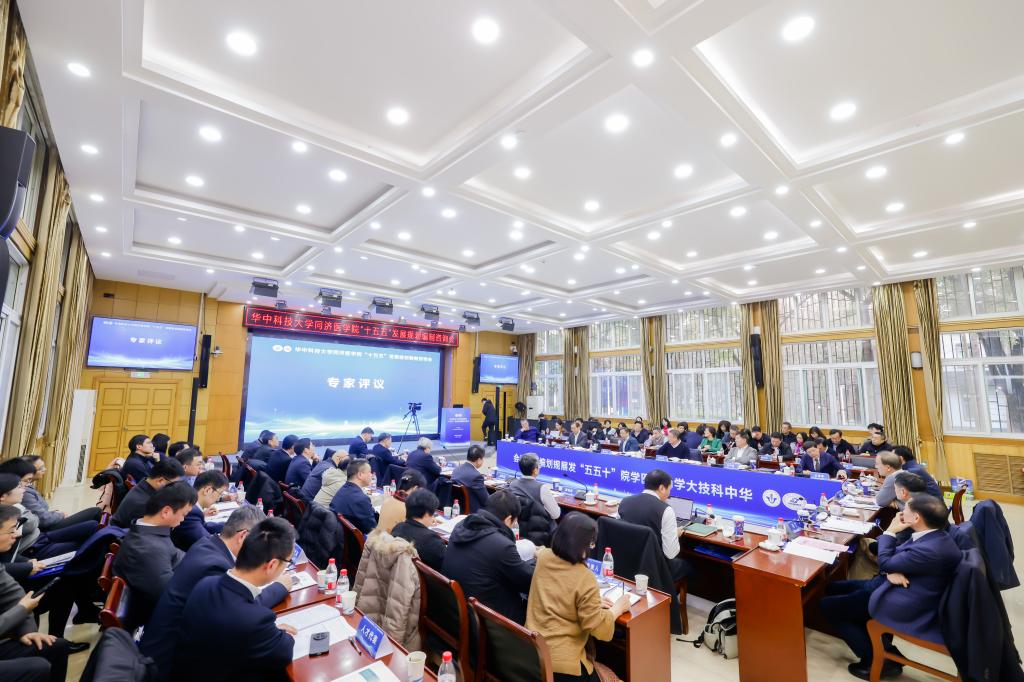
During the consultation session, chaired by Academician Prof. DENG Zixin of the Chinese Academy of Sciences, attending academicians offered in-depth insights and relevant recommendations. While commending the draft plan, they provided actionable suggestions in a wide array of areas including talent cultivation, faculty development, discipline construction, research innovation, and the integration of medical education, research, and clinical practice.
Prof. MA Ding, an academician of the Chinese Academy of Engineering and Chair of the Medical Disciplines Construction Committee, made concluding remarks. He stated that the medical college would systematically incorporate the expert feedback into concrete measures for high-quality development. He also shared four strategic considerations for the future of medical programs, focusing on top-level design, discipline construction, talent development, and scientific research.
Following the meeting, the academicians toured the new Translational Medicine Research Institute building.



 Chinese