Wuhan, China – A pioneering study led by Prof. HAO Xingjie from School of Public Health, Tongji Medical College of HUST, has yielded new insights into the genetic underpinnings of renal stone disease. Published in Nature Communications, the research represents a significant step forward in predicting disease risk across different populations.
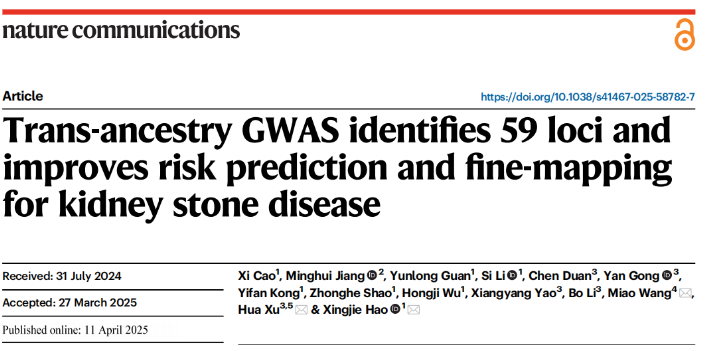
Through an unprecedented analysis combining data from virtually one million individuals of European and East Asian descent, the research team uncovered dozens of genetic markers that are associated with kidney stone formation. The findings confirmed that while the disease manifests similarly across different ethnic groups, newly identified genetic variants potentially have paved a way to improved diagnosis and treatment.
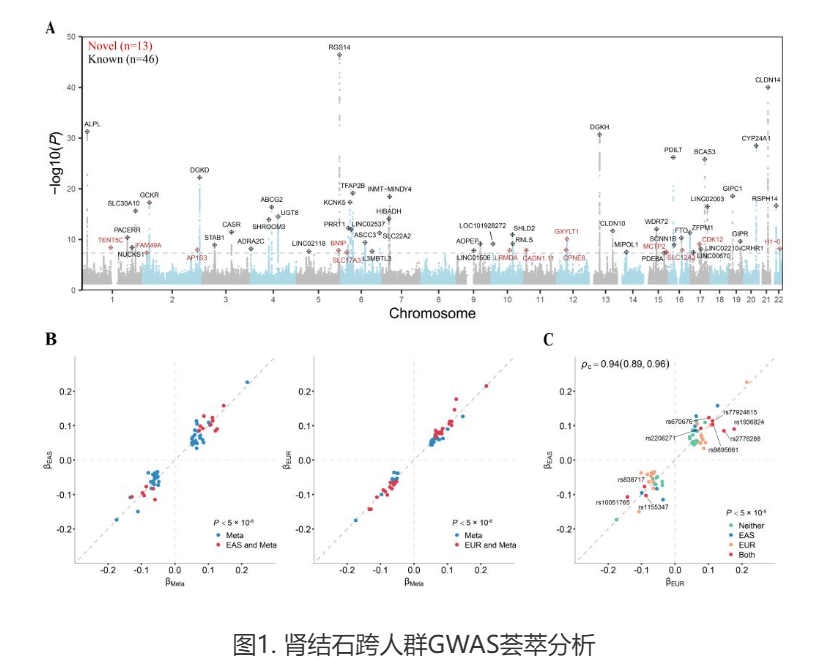
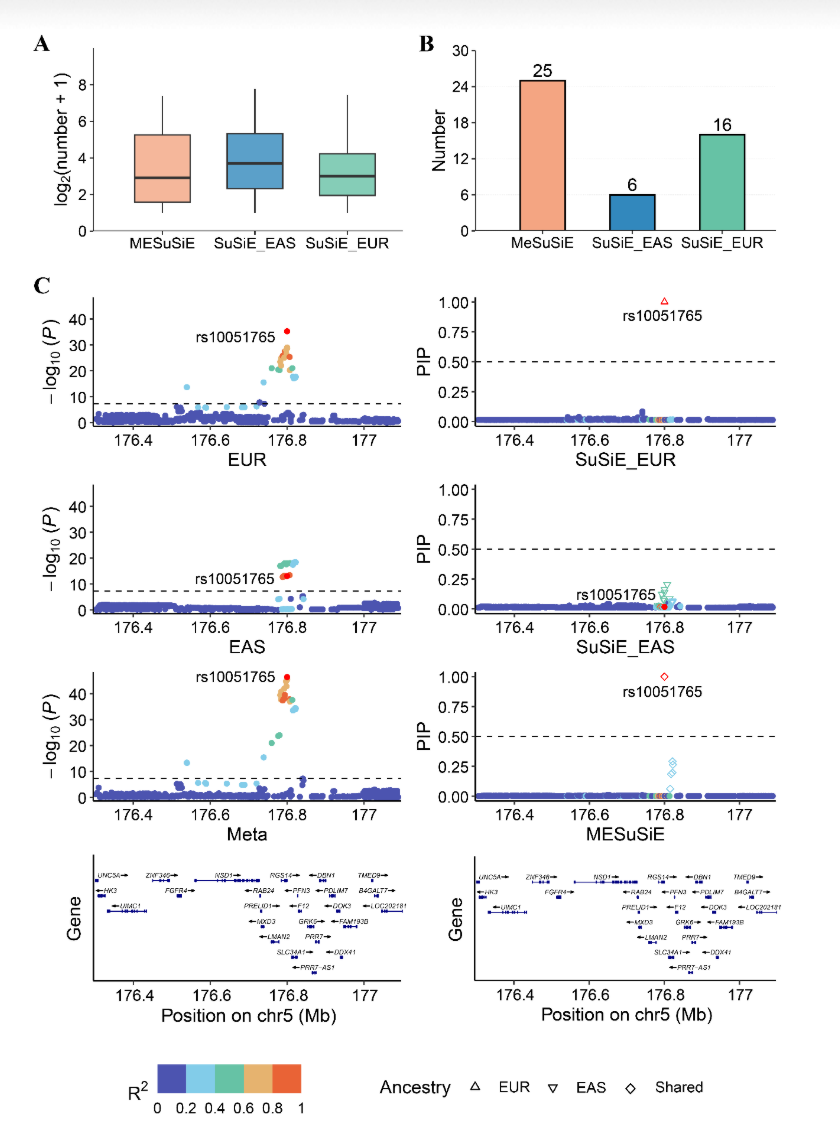
The study's most notable achievement lies in its refined approach to genetic mapping. By employing advanced analytical techniques that account for population differences, researchers were able to pinpoint disease-related genetic variations with remarkable precision. This approach proved particularly valuable in identifying shared genetic risk factors that had previously gone undetected in studies focusing on single populations.
Of particular interest are the discoveries surrounding specific genes implicated in kidney stone development. The research provided compelling evidence that certain genes involved in calcium regulation and cellular signaling pathways may play some priorly unknown roles in stone formation. These findings open new possibilities for developing targeted therapies that address the root genetic causes rather than just symptoms.
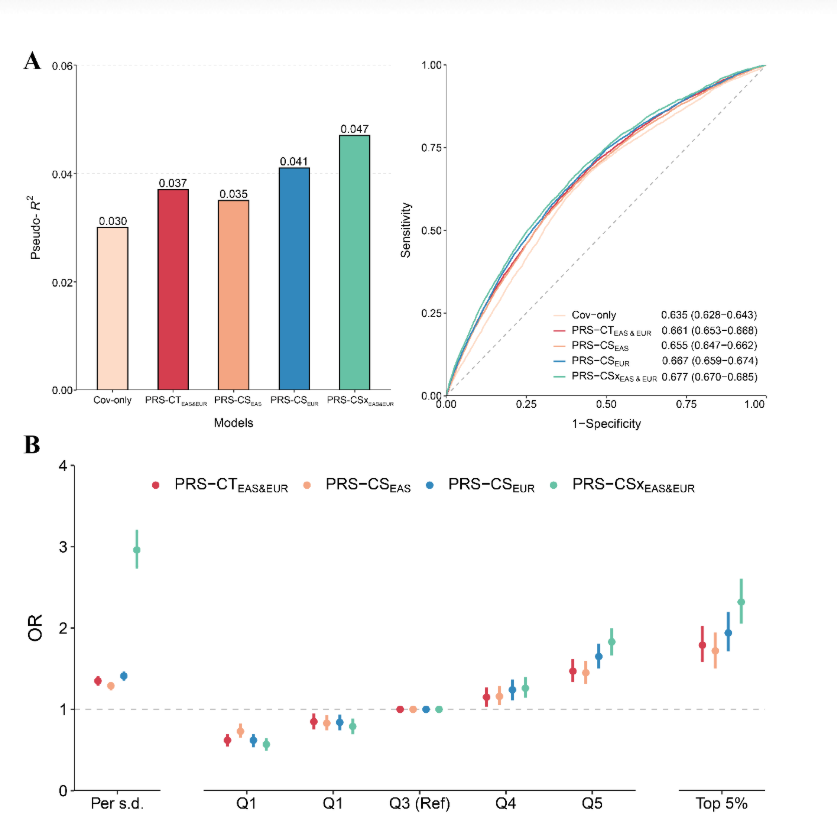
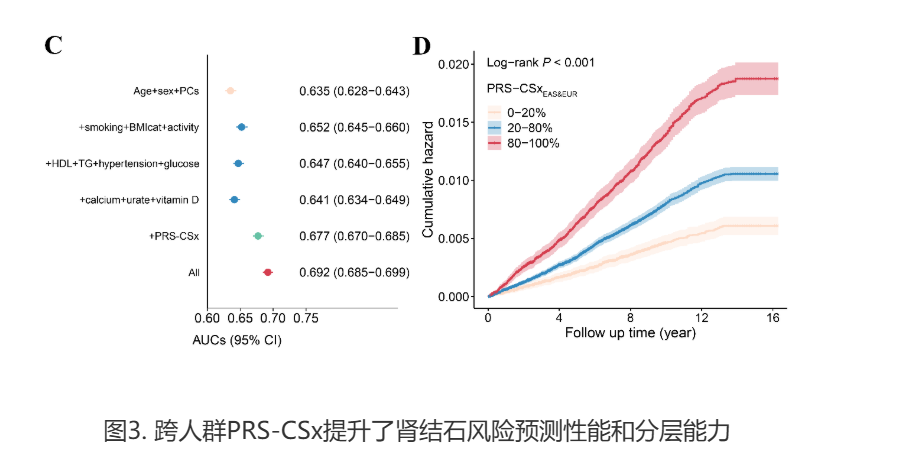
The practical applications of this research are equally significant. By incorporating these genetic discoveries into risk assessment models, the team developed prediction tools that outperform existing methods. These improved models demonstrated particular promise for singling out high-risk individuals who might benefit from early preventive measures, potentially easing the burden of this painful condition across the globe.
The research benefited from the partnership with clinical teams at Zhongnan Hospital of Wuhan University and Union Hospital of Tongji Medical College of HUST, with grant support from the National Natural Science Foundation of China. The full findings appear in the April 11 edition of Nature Communications.




 Chinese